

Development
Grant FAQs
What is a Development Grant?
Development is the bridge between a well-researched idea and a green-lit production. Whilst the Research Grant was about discovering your story, the Development Grant is about proving it.
This phase is designed to help you build the essential assets you need to pitch your film to financiers, commissioners, and potential partners. You aren’t just finding the story anymore; you are capturing the visual proof of it. The Development Grant allows you to shoot and edit a sizzle reel or teaser, secure formal access agreements with key participants, and refine your pitch deck.
Development often involves hiring key crew members (that were identified in the Research stage) for test shoots to confirm the visual style of the film. You may need to hire a cinematographer at a desired location, or hire an editor to cut together archival footage to demonstrate the tone. This is the time to turn your initial research into a visual reality that funders can see and feel.
This phase is also when you solidify the business side of your project. You will move from rough estimates to a line-item production budget, create a realistic production schedule, and secure the legal rights necessary to make the film. By the end of this grant, you should have a Development package that is ready to go!
Examples of documentary film development
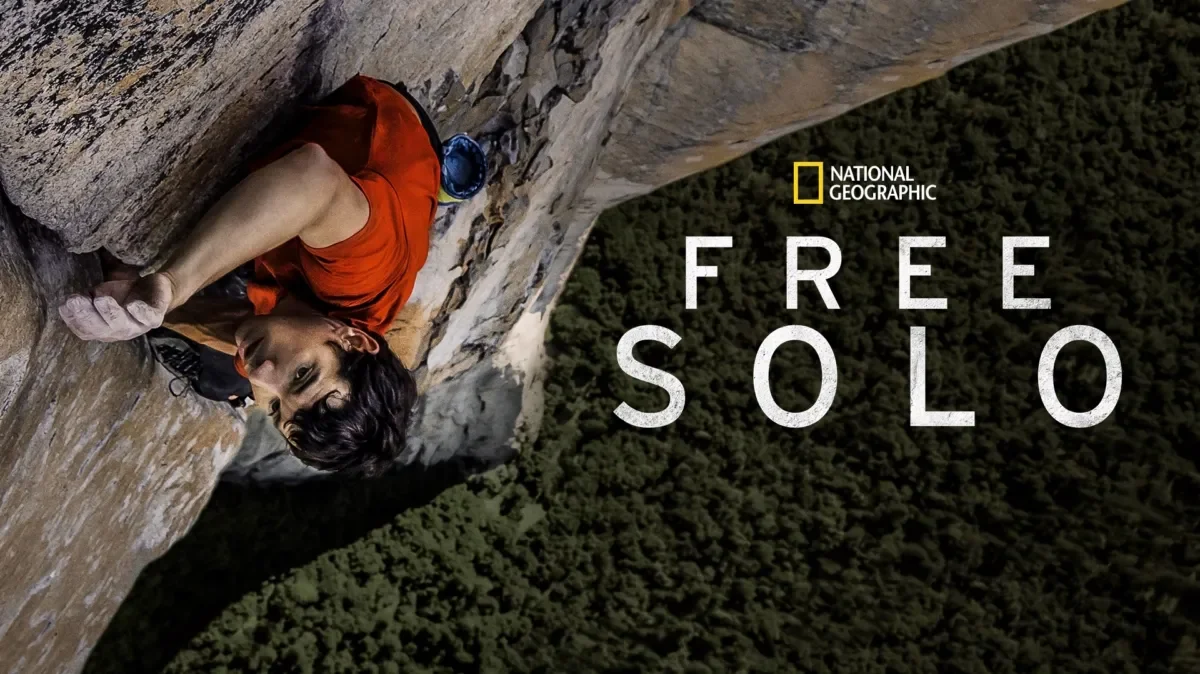
Free Solo (2018)
Before the full production began, the team had to figure out how to film Alex Honnold without interfering with his climb or putting him in danger. Development involved testing camera rigs, working with high-altitude safety experts, and shooting test footage to see if the visual approach was even feasible. This proof-of-concept was essential to convince backers that the film could be made safely and cinematically.
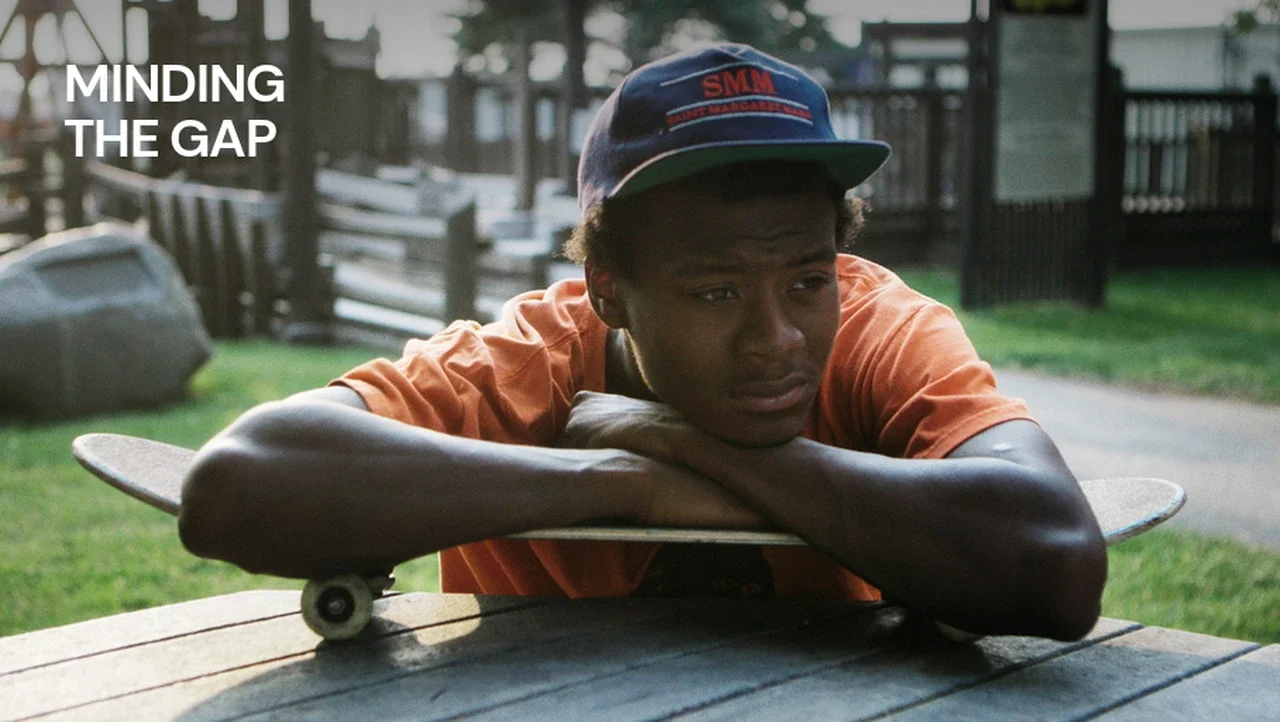
Minding The Gap (2018)
Director Bing Liu had been filming his friends for years, but his development started when he began to organize his massive library of footage, into a cohesive narrative structure. It involved cutting a demo reel that showed the unique blend of skate video aesthetics and deep, traumatic personal history, proving to producers that this was more than just a sports montage.
Frequently Asked Questions
-
Feature documentaries, docuseries (episodic) and shorts are eligible, including non-English language projects. Projects must be past the initial research phase - meaning you already know your story, key characters, and access points, but are not yet fully funded or in production.
Note: If you are still trying to find your characters or "figure out" the story, please apply for our Research Grant instead.
-
Every application is reviewed by our panel of industry experts, strategists and executives. They assess Story Potential, Audience Appeal, Topic Originality, and impact strategy. You're pitching to people who know what makes documentaries break through.
The Who Let The Docs Out team members will only initially rule out applications that are not eligible, and then compile the applications to present to the advisory committee.
-
The development lab period will run for about 8-10 weeks, with some flexibility based on filmmaker’s commitments.
-
Yes. In fact, we encourage it. If you have successfully completed the Research Grant and have a strong "Research Document" and initial Pitch Deck, you are in a prime position to apply for Development funds to take those assets to the next level.
-
Funds should be used for creating tangible assets and securing the project's foundation. Common uses for the Development funds include:
Shooting: Hiring a DP/Sound Recordist
Editing: Hiring an editor to cut a sizzle, teaser, or sample scene.
Design: Graphic design for a professional Pitch Deck
Legal: Legal fees for access agreements, life rights options, or initial archive licensing.
Travel: Travel costs strictly related to shooting the sizzle reel or securing in-person access agreements.
-
Yes, for assistive purposes. However, footage in your sizzle reel must be real (unless the film is specifically about AI or uses animation). Investors want to see your access and your characters, not AI-generated proxies.
-
You’ll receive a Development framework to follow for guidance. You’ll be asked to share your development learnings directly onto our Notion.so platform. There will be the option to allow access to advisers/ mentors who can then view, comment and guide development. There will be a number of live Zoom sessions with development/strategy experts during the program, and 1:1 support with mentors.
-
By the end of the Development period, you will be expected to submit a Production Package. This typically includes:
Visual Proof: A sizzle-reel (2-5 mins) or a sample scene.
Pitch Deck: A professionally designed pitch deck, including story arc, visual style, character bios, and team.
Production Budget: A detailed top-sheet budget for the full film.
Production Schedule: A realistic timeline for production.
-
The Development Lab is a strategic framework, built on Notion.so, designed to help you package your vision, budget your reality, and produce the visual assets needed to prove that your film is not just a concept, but a production-ready investment. Completing the Notion tasks is not a requirement, but it is strongly advised, as these assets will form the core of your final deliverables.