

Research
Grant FAQs
What is a Research Grant?
Research is the crucial exploratory phase that takes place before you pick up a camera, offering a chance to discover what your project could truly become. This period allows you to find your characters, which might take weeks of locating candidates and conducting preliminary interviews with potential subjects and journalists. You may need to conduct dozens of conversations before discovering that one compelling character who will anchor your film. By building relationships and testing how people present on camera during this phase, you avoid the costly mistake of shooting formal interviews with people who ultimately won't work for your documentary.
Research often requires travel to conduct investigations that can't be done online. You might need to visit a remote village to ask locals about a character who has no internet presence, or spend weeks speaking to dozens of people to gain access to crucial characters, archival footage, or materials. This phase involves watching through hours of archival content to verify the story exists in the material, and poring over documents, research papers, and transcripts to confirm there is substance to pursue. It's during this time that you analyze whether the story and characters you've found are strong enough to sustain a feature documentary and series.
Sometimes research even means following someone around for a few days with a camera to test whether what you think is there actually exists on film. Through this process, you understand all the nuances of your story, whether that's complex family dynamics or unexpected elements that could become central to your narrative. Research helps you figure out your audience and platform based on the story you're discovering, which in turn informs how you'll shoot during production.
You'll also research other films on similar topics to determine whether this ground has already been covered, whether those films succeeded, and if there's space for another version of this story, or whether you can use existing projects to your benefit.
This phase is also when you verify stories and facts, roughly calculate production costs (perhaps you've found four key characters across four different continents), and analyse the potential impact of your film and how that impact might be measured. All of this groundwork ensures that when you do move into production, you're making informed creative and financial decisions based on solid research rather than assumptions.
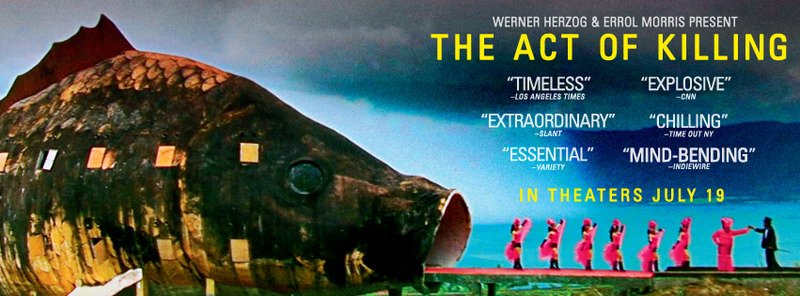
Examples of documentary film research
Director Joshua Oppenheimer spent two years locating and filming people across Sumatra and Malaysia to understand what they had done and why. The 41st person he filmed ended up being their main character. He decided to replay the footage of Anwar back to him, and only then, in that exploration, did he come to the idea for the film. He wouldn't have arrived at his story without those initial research interviews.
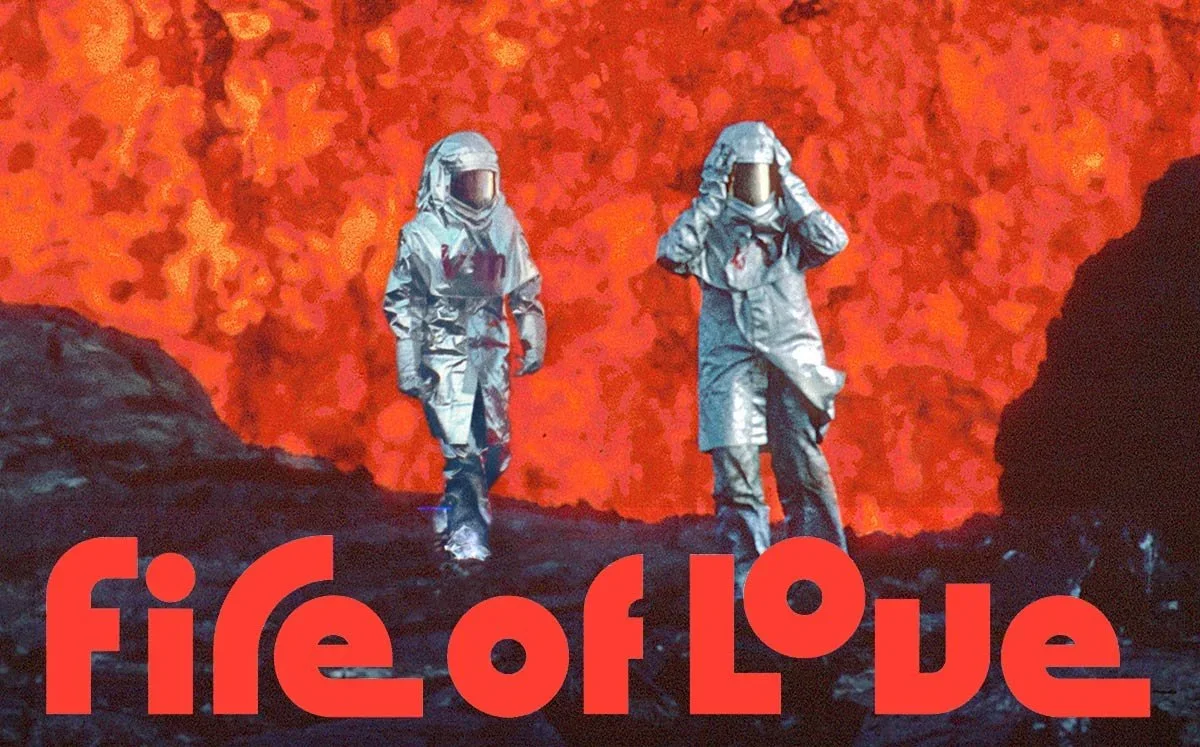
The team catalogued hundreds of hours of archival footage and thousands of photos for a different project before concluding that it should be a standalone film and before they knew what the story approach would be. While reading Maurice's book, they found one specific line: "Myself, Katja and volcanoes is a love story." That single sentence inspired the whole direction of the film.
Frequently Asked Questions
-
Feature documentaries, docuseries (episodic) and shorts are eligible, including non-English language projects. Projects must be in the research or pre-research phase (not already in pre-production, production, or post), should align broadly with topics tackling ethical consumption (food, animals, culture and climate), and be open to pivoting (if necessary) based on research findings.
-
Every application is reviewed by our panel of industry experts, strategists and executives. They assess Story Potential, Audience Appeal, Topic Originality, and impact strategy. You're pitching to people who know what makes documentaries break through.
The Who Let The Docs Out team members will only initially rule out applications that are not eligible, and then compile the applications to present to the advisory committee.
-
The research period will run for about 8-10 weeks, with some flexibility based on filmmaker’s commitments.
-
Yes, as long as you’re open to the potential that your film, story or characters may change direction if that’s where the research takes you.
-
Funds can be used to support your own time and costs during the research phase, as well as essential access costs e.g. travel and fees for archival materials. (Travel only when remote options aren’t available).
If your time is stretched, you could use part of the funding to hire support like a research assistant or producer.
Funds should not be spent on any type of production or shooting - bar certain exceptions (including undercover footage from research interviews to assess the characters, and/or for observing potential characters over an extended period of time). Most interviews should be held on Zoom/Meets, and only pick up a camera if it’s the only way to answer a research question.
-
Ideally, yes - although we understand everyone’s schedule is different. If you have other ongoing commitments, we recommend using part of the funding to hire a researcher or producer to assist you, to ensure that the grant funding and time is fully utilised.
-
Yes, but use it carefully! AI tools (ChatGPT, Claude, Gemini etc) can help you research, translate information, or brainstorm ideas - but don’t rely on their answers, and always verify the information shared with you.
We would advise against using AI to find characters, as stronger candidates will more often come to light through conversations, fieldwork, or archive work (since they will often not have a significant online presence or record).
-
You’ll receive a research framework to follow for guidance. You’ll be asked to complete your research directly onto our Notion platform. There will be the option to allow access to advisers/ mentors who can then view, comment and guide research. There will be a number of live Zoom sessions with research/ strategy experts during the program, and 1:1 support with mentors.
-
At the end of the 8-10 week research period, the filmmaker/filmmaking team will submit a research document and a pitch deck. There are no obligations to produce a sizzle or shoot any production material.
At the end of your research you should come to one of two conclusions:
1️⃣ This story is a well thought out, well researched, unique and captivating story that is appropriate for the current market, has an audience, and has access to supporting materials and characters. This project is well positioned for any next stages of funding (e.g. development/sizzle), and will be better positioned for external programs and/or grants.
Or
2️⃣ This story is not as strong as I originally thought. It isn’t compelling enough and I don’t think it should move to production, or would be a good use of funds.
-
The Research Lab is a flexible guideline, build on Notion.so, designed as an outline to help you find your characters, identify your audience, stress-test your idea, verify your facts, and build a strategic blueprint to show that your film is not just an idea, but an opportunity for impact. Completing the Notion tasks is not a requirement, but it is strongly advised, as you will be required to show this research within the Pitch Deck deliverable.